Why Engaging a Residential Electrician Is Critical for Home Protection!
Retaining a residential electrician is important for safeguarding home safety. Countless occupants minimize the challenges of power infrastructure. DIY projects can generate critical threats, like electrical fires or electrical contact. Licensed electrical technicians furnish necessary skills, confirming compliance with local guidelines and protective standards. The effects of circumventing suitable electrical installation can be grave. Understanding the necessity of expert support can produce a considerable change in home safety. What specific rewards can these experts present?
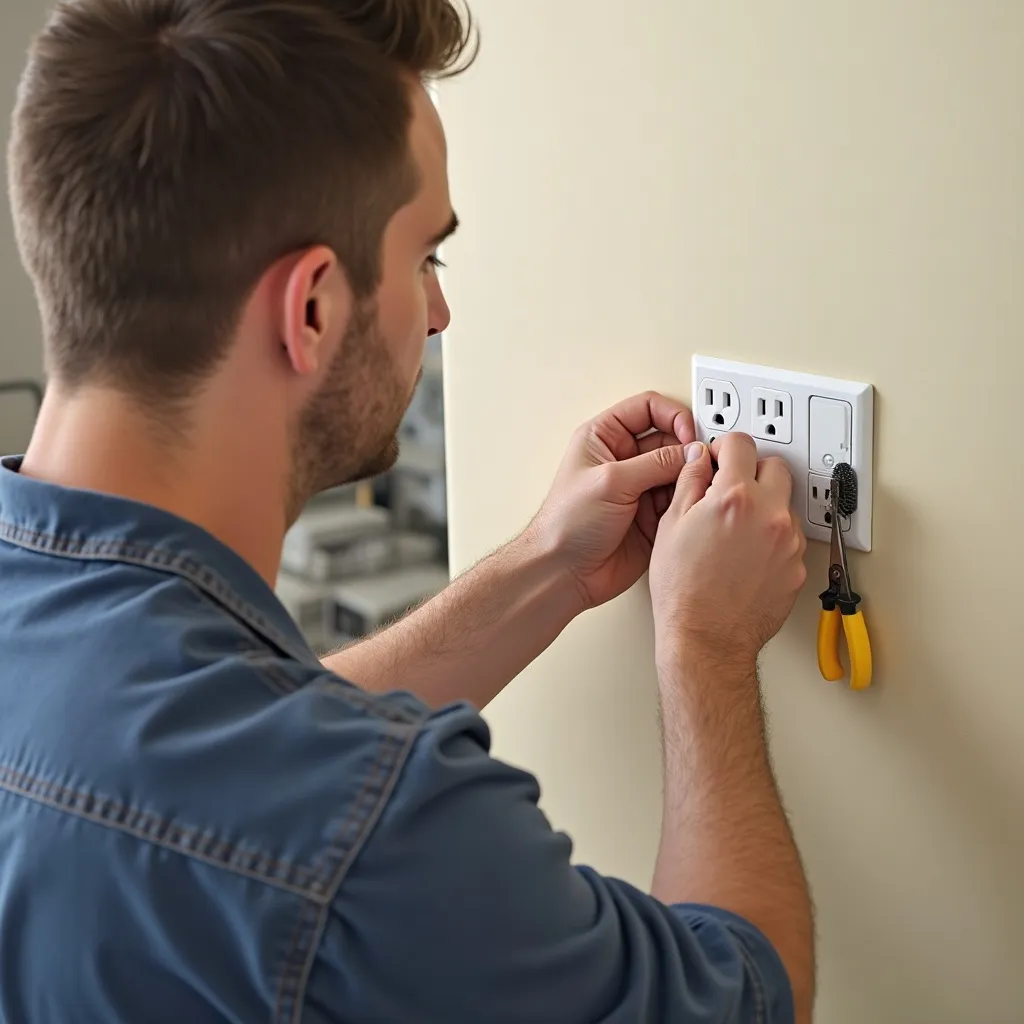
Comprehending the Perils of Do-It-Yourself Electrical Projects
Undertaking do-it-yourself electrical tasks may seem appealing to house owners attempting to save money, yet it carries major risks. Many people underestimate the complexity of wiring infrastructure, often leading to faulty installations or repairs. This shortage of expertise can lead to electrical malfunctions, blazes, or shock injuries, jeopardizing both the homeowner and their home.
Moreover, DIY work may not conform to local building codes, which might result in legal complications or costly fines.
In addition, lacking the proper tools and safety equipment, homeowners may expose themselves to hazardous situations. Even apparently basic undertakings, such as replacing a light fixture, can have unforeseen complications if not executed correctly.
There is also apprehension about the potential for long-term damage to the home's electrical system.
The Proficiency That Protects Your Home Secure
When it comes to guaranteeing home safety, the expertise of a residential electrician is paramount.
They perform detailed safety examinations, ensuring all systems are working properly take action and meet regulatory standards.
Furthermore, their command of code requirements and expert troubleshooting expertise prevent potential dangers before they escalate into serious concerns.
Thorough Protection Inspections
A thorough safety examination conducted by a qualified residential electrician is crucial for preserving a safe home environment. During this procedure, electricians assess wiring, outlets, and electrical panels to identify potential hazards.
They review for outdated components that may present fire risks or trigger electrical failures. Additionally, they analyze the grounding and bonding systems to confirm they meet safety standards.
By catching issues such as overloaded circuits or faulty wiring, electricians supply homeowners with actionable insights to mitigate risks. These inspections not only enhance safety but also boost energy efficiency, potentially lowering utility bills.
Ultimately, regular safety assessments protect both the home and its residents, confirming a solid electrical setup that functions smoothly.
Code Adherence Assurance
Code compliance assurance plays a critical role in ensuring the safety and dependability of residential electrical systems.
Expert electricians display understanding of local, state, and national electrical codes, which are put in place to preserve homeowners from likely risks. These codes integrate various aspects, such as wiring methods, circuit protection, and grounding techniques, all paramount for safe operation.
By adhering to these standards, electricians minimize the threat of electrical fires, electrical shock, and equipment failure. Moreover, compliance is typically a necessity for home insurance and can impact property value.
Homeowners who invest in a licensed electrician guarantee that their electrical systems comply with necessary standards, delivering peace of mind and a more secure home.
Professional Issue-Resolution Competencies
Electrical systems might face issues despite observing safety codes. When challenges arise, professional troubleshooting expertise become required.
Residential electricians develop specialized training and experience that allow them to detect faults quickly, often prior to becoming serious dangers. Their capacity to evaluate complex wiring systems and pinpoint problems guarantees that homeowners are not uninformed—literally and figuratively.
These skilled technicians use state-of-the-art tools and techniques to detect problems, whether it's a dimming bulb or a overloaded circuit. By handling these issues without delay, they not only bring functionality back but also boost the overall safety of the home.
Ultimately, relying on a skilled electrician for troubleshooting serves as a proactive step toward safeguarding both property and residents.
Selecting the Ideal Home Electrical Professional
Choosing the ideal residential electrician calls for close examination of several key factors.
Property owners should check certifications and authorizations to assure compliance with local regulations.
Furthermore, evaluate the electrician's qualifications and skills, and ask for comprehensive quotations for transparency.
These steps help in making an deliberate selection that highlights quality and safety.
Validate Credentials And Certifications
Upon hiring a residential electrician, it is essential to confirm their credentials and licenses to ensure adherence with local regulations and industry standards. This step guarantees that the electrician has completed the necessary training and possesses the knowledge required for secure and efficient electrical work.
Verifying valid credentials protects homeowners from potential liabilities and ensures that the electrician adheres to safety protocols. Additionally, verifying qualifications can help identify professionals who keep current on the latest industry practices and technologies.
Homeowners should request proof of insurance and verify that the electrician holds any necessary credentials. Taking these precautions not only enhances safety but also fosters trust in the quality and reliability of the electrical services delivered.
Assess Experience And Expertise
Evaluating the qualifications and knowledge of a residential electrician is essential for maintaining excellent work standards. A seasoned electrician typically brings a wealth of knowledge developed from years of direct practical experience. This experience helps them to work with various electrical systems and diagnose and fix problems successfully.
Prospective clients ought to ask regarding the electrician's particular specializations, such as residential wiring, lighting installations, or electrical repairs. Moreover, understanding the types of projects they have previously completed can give information about their capabilities.
Testimonials and reviews from prior clients can also serve as beneficial references in determining reliability and quality of service. By comprehensively analyzing an electrician's experience and expertise, homeowners can make informed decisions that prioritize safety and optimal performance.
Get In-depth Cost Assessments
What can homeowners do to ensure they receive fair pricing and quality service when engaging a residential electrician? A proven approach is to obtain detailed estimates from multiple electricians.
This procedure not only assists in assessing costs but also delivers knowledge regarding the scope of work involved. Homeowners should ensure that estimates cover labor, materials, and any additional fees. A honest estimate indicates the electrician's professionalism and commitment to communication.
Furthermore, it enables homeowners to question any ambiguous charges, promoting a better comprehension of the project. By acquiring multiple estimates, homeowners can make informed decisions, thus ensuring they hire a qualified residential electrician who satisfies their needs while following safety standards.
Major Electrical Concerns Best Managed by Professionals
When electrical issues arise in a home, it's essential to recognize which issues require expert knowledge. Typical electrical issues that should be entrusted to licensed electricians comprise frequent circuit breaker trips, which may indicate overloads or faulty wiring.
Flickering lights may demonstrate more serious problems, such as loose links or aging wiring systems. Additionally, outlets that are warm or give off a burning smell pose significant fire hazards and should be inspected right away.
A further issue is the placement of new electrical fixtures or systems, which often necessitates following local safety codes and standards. Homeowners should also get expert help for any electrical projects involving the main service panel, as problems in this area can lead to hazardous circumstances.
Why Meeting Standards Is Vital for Safety
Making sure that electrical work adheres to code compliance is essential in protecting safety within residential environments. Electrical codes are established to minimize hazards such as fires, electrocution, and property damage. These regulations are created based on extensive research and industry standards, reflecting the latest protective standards.
When homeowners employ a residential electrician, they benefit from the professional's expertise in handling these codes, guaranteeing all installations and repairs are in compliance.
Non-compliance can result in dangerous situations, including faulty wiring and insufficient electrical grounding, which may not only pose risks to inhabitants but also affect insurance coverage. Additionally, properties that do not meet code standards can incur fines or issues during real estate transactions.
In the final analysis, following electrical codes is essential for safeguarding lives and property, stressing the importance of employing qualified electricians for all electrical work.
Enjoy Long-Term Economic Advantages by Using Professional Installations
Investing in professional electrical installations can yield significant long-term savings for homeowners. Skilled electricians pledge that all conductors and electrical frameworks are mounted accurately, reducing the likelihood of costly repairs and replacements due to faulty work. By upholding safety protocols and using high-quality materials, professionals minimize the risk of electrical hazards, which can lead to substantial harm or even fire.
Furthermore, energy-efficient installations can decrease utility bills over time. For instance, upgrading to energy-efficient lighting and appliances can result in substantial savings on electricity costs. Additionally, professional electricians can give recommendations on optimizing electrical systems for better efficiency.
Ultimately, while the upfront expense of hiring a skilled electrician may seem higher than a DIY approach, the long-range advantages—such as decreased maintenance expenses and lower energy bills—far exceed the upfront expenditure.
Property owners can defend their financial interests and residences by giving priority to professional electrical expertise.
The Assurance That Comes Along With Specialized Expertise
Peace of mind typically accompanies the choice to employ a professional electrician. Homeowners can be confident knowing that their electrical systems are in the hands of experienced experts who understand the complexities of wiring, circuits, and safety regulations.
Professional electricians possess the necessary certifications and experience to recognize potential hazards, ensuring that installations and repairs adhere to safety standards.
Additionally, retaining a skilled decreases the risk of electrical malfunctions that could lead to dangerous situations such as fire hazards or electric shock. The confidence that a competent individual has handled the project allows homeowners to focus on their daily lives without being anxious about hidden dangers.
In addition, many professional electricians give guarantees for their work performed, additionally reinforcing the sense of security.
Ultimately, trusting a skilled electrician not only protects your home but also creates a stress-free atmosphere, enabling families to flourish without the weight of unresolved electrical issues.
Frequently Posed Questions
How Do I Locate a Capable Residential Electrician?
To find a experienced residential electrician, one should ensure valid licensing, insurance, and testimonials. Additionally, reviewing internet reviews and obtaining suggestions from close contacts can help assure the electrician's trustworthiness and skill.
What Clues Suggest Electrical Issues in My Home?
Signs of wiring issues include lights that flicker, tripped circuit breakers, warm outlets, smells of burning, and discolored switches. Unusual noises from appliances or outlets may also suggest potential issues requiring immediate attention from a qualified professional.
How Frequently Should I Have My Electrical System Inspected?
Property owners should arrange for electrical system inspections every three to five years. Periodic inspections help uncover possible problems early, preserving safety and efficiency while minimizing risks associated with obsolete or damaged electrical components in the home.
Am I Able of Completing Minor Electric Repairs by Myself?
While small electrical fixes may seem doable, it's recommended to consult an expert. Inadequate knowledge can lead to safety hazards, possible regulatory breaches, or costly damage, emphasizing the necessity for expert assistance for electrical work.
What Can I Execute in Scenario of an Electrical Critical Issue?
During an electrical incident, it is important to quickly shut off the power at the circuit breaker, avoid contact with live wires, and call a qualified electrician for aid. Prioritizing your safety must always be the top priority.